
"Vienna travel"
200 article(s) found
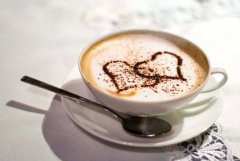
Introduction to Italian latte Caff è Latte
The history of the latte this is the story of 1683. This year, the Turkish army attacked Vienna for the second time. The then Emperor Augustus I of Vienna had an offensive and defensive alliance with King Augustus II of Poland, and as soon as the Poles heard the news, reinforcements would arrive quickly. But the question is, who will break through the siege of the Turks to deliver letters to the Poles? Used to swim in Turkey
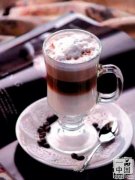
Coffee, latte.
Latte is the transliteration of Italian Latte. Latte (CoffeeLatte) is a kind of fancy coffee. Latte is a classic mixture of Italian espresso and milk. Italians also like lattes as breakfast drinks. In the Italian kitchen in the morning, coffee and milk are usually brewed on the sunlit stove. The ultimate blend of coffee and milk
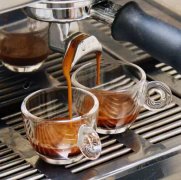
Italian latte Caff è Latte introduces the origin of latte
The history of the latte this is the story of 1683. This year, the Turkish army attacked Vienna for the second time. The then Emperor Augustus I of Vienna had an offensive and defensive alliance with King Augustus II of Poland, and as soon as the Poles heard the news, reinforcements would arrive quickly. But the question is, who will break through the siege of the Turks to deliver letters to the Poles? Used to swim in Turkey
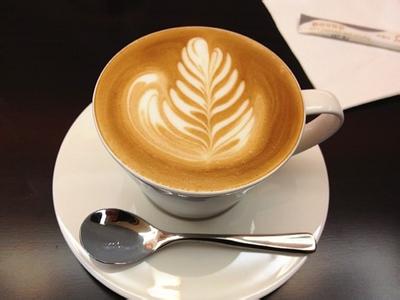
Latte Coffee: Aroma Yourself, Infect Others
Latte is the transliteration of Italian Latte. Coffee Latte is a fancy coffee, a classic blend of Italian espresso and milk. Italians also like latte as a breakfast drink. In Italian kitchens in the morning, coffee and milk are usually brewed simultaneously on a sunny stove. The ultimate blend of coffee and milk. Italian latte. Pure.
Coffee culture around the world introduces the development of coffee.
In the 17th century * the first coffee grinder came out in London, England, and coffee was loved by Londoners. * Arabs try to control the coffee market, but in vain. The Dutch first brought coffee seedlings from Yemen and planted them in their colonies, such as Java, India, Ceylon and other countries. * A doctor in France added milk to coffee for patients to drink, resulting in the invention of milk coffee (Cof)
A cup of coffee for 350 years
The first generation of coffee houses were humble little shops, and later mobile coffee tents, which in Arabia served mainly business travelers and passers-by, but in early 18th century Europe became fashionable places for upper middle society. At that time, dignitaries were keen to travel to the suburbs, and the light and smart coffee tents looked very attractive among the grass.

350-year-old coffee shop
The first generation of cafes were shabby small shops, and later mobile coffee tents appeared, which were mainly for business travelers and passers-by in the Arab region, but in Europe in the early 18th century, it has become a fashionable place for the middle and upper classes. At that time, dignitaries and dignitaries were keen to travel to the suburbs, and the light and dexterous coffee tents looked very good among the grass.
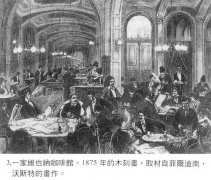
Coffee History Cafe History
At the beginning of the seventeenth century Constantinople was the capital of the most powerful empire in Europe. Coffee houses were already very popular in the Ottoman Empire when the British noticed them. The construction of a palatial café became the first act of Ottoman rulers to conquer a city to demonstrate the civilized nature of their rule. Some British travelers and merchants believed that Iraq

If you travel to these cities, you will go for nothing without coffee.
One of the best ways to learn about a city is to take a cup of coffee and sit in the city's cafe, observe the people around you and listen to their different stories. In addition to coffee chain brands, from Northern Europe, Australia, and even Southeast Asia, each country has its own unique coffee symbol, even Vietnam's.

What kind of coffee do you have in Spain? Coffee shop culture in Spain
Professional Coffee knowledge Exchange more information on coffee beans Please follow the coffee workshop (official Wechat account cafe_style) the 17th century Spaniards were fond of drinking chocolate because their conquerors found cocoa beans in Central America.

Fine coffee culture A cup of coffee has been drunk for 350 years
The first generation of coffee houses were humble little shops, and later mobile coffee tents, which in Arabia served mainly business travelers and passers-by, but in early 18th century Europe became fashionable places for upper middle society. At that time, dignitaries were keen to travel to the suburbs, and the light and smart coffee tents looked very attractive among the grass.

-latte.-what you have to know.
Latte is the transliteration of Italian Latte. Latte (CoffeeLatte) is a kind of fancy coffee. The perfect blend of coffee and milk, the Italian latte is pure milk and coffee, while the American latte replaces part of the milk with milk foam. Lattes come from an interesting historical fact. Different lattes are cooked and tasted in the same way, but each has its own flavor. Take the Italian latte

Austrian catering launched untouched "window Cafe"!
Affected by the epidemic, the global catering industry has been greatly affected. According to the report on the impact of COVID-19 epidemic on China's Catering Industry in 2020 released by the China Cuisine Association on February 12 last year, compared with the Spring Festival in 2019, during the 2020 epidemic, 78% of the catering enterprises lost more than 100% of their revenue, 9% of them lost more than 90% of their revenue, and 7% of them lost revenue of 70%.
The method and type of latte which kind of beans are suitable for hand-brewed coffee
1. Soak the cup (warm cup) in hot water to raise the temperature and then pour out the excess water for use. A simpler way is to place the coffee cup in the heat storage area of the Italian coffee machine, where the temperature of the cup is enough for extraction and concentration. two。 After grinding the deep-roasted coffee beans, pour the coffee powder into the filler and flatten the coffee with a powder press, then buckle the filler to the espresso.

Italian latte: the ultimate blend of coffee and milk
For lattes, our country can be said to be the most loyal fans of instant coffee and instant coffee drinks as well as offline consumers. Latte is the transliteration of Italian Latte, and CoffeeLatte is a kind of fancy coffee. The ultimate blend of coffee and milk, Italian latte is pure milk and coffee, American latte is part of the cow
The History of European Culture on the Coffee Table: the Evolution of Coffee Tent
It took 350 years to drink a cup of coffee-the evolution of coffee tents the first generation of cafes were humble shops, and later mobile coffee tents appeared in the Arab region, mainly for business travelers and passers-by, but in Europe in the early 18th century, it has become a fashionable place for the upper-middle class. At that time, dignitaries and dignitaries were keen to go to the suburbs

The coffee shop runs Shaobao Cafe.
Have you noticed that the red coffee cups with tall hats on the cups next to you appear before your eyes from time to time? You have read it correctly. If you have been to Europe or are obsessed with coffee, you must be no stranger to this little boy in a red hat and holding a coffee cup. He is JuliusMeinl (Julie Manny), a century-old Austrian coffee brand that has been officially in Taiwan.
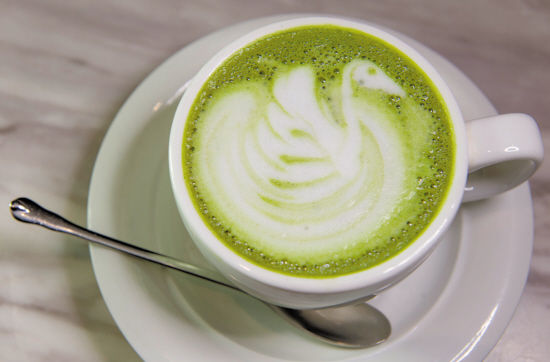
The difference between the origin of latte and matcha latte and cappuccino
Latte, also known as Caff Latte, is one of many Italian lattes, because latte means fresh milk in Italian, so if you are in Italy, remember not to just tell the coffee shop clerk that you want a cup of Latte, or you will get suspicious eyes and a cup of fresh milk. In the English-speaking world, Latte is already a Coffee Lat
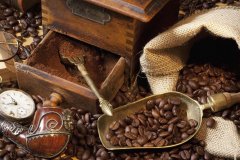
Caffeine, wonderful and fragrant, has become the most popular addictive drink in the world. Why is it delicious?
Coffee workshop (Wechat official account cafe_style) Coffee is the world's most popular addiction ingredient caffeine wonderful and aromatic source, since it spread from Ethiopia in the 15th century, its spread has not stopped. In the Arab world, coffee is a substitute for wine, which leads to the rise of cafe culture.
The legend of coffee
There are several legends about the origin of coffee, among which the more familiar is the story of the shepherd: around 600 AD, a shepherd found that his sheep would hiss excitedly every night. In fear, he asked the priest in the temple for help. After carefully observing the sheep for a few days, the priest found that the sheep had eaten an unknown fruit, and the priest himself had eaten it.